You want the ocean outside your window, but you do not want surprises in your budget or building. Lauderdale Beach offers both postcard views and a wide range of buildings, rules and costs. If you get clear on views, amenities, association health, insurance and financing early, you can move with confidence. This guide gives you the key tradeoffs, documents to request and next steps that matter on Fort Lauderdale’s barrier island. Let’s dive in.
Lauderdale Beach at a glance
Barrier island setting
Lauderdale Beach sits along the City’s A1A beachfront in the Central Beach planning area. Tower siting, setbacks and public beach access follow the area’s planning framework, which shapes what you see from your balcony and how close you are to the sand. You can review the City’s planning context in the Central Beach Master Plan to understand why buildings feel spaced the way they do and where view corridors remain open (Central Beach Master Plan).
Location tradeoffs to weigh
Proximity to Las Olas, Port Everglades and Fort Lauderdale–Hollywood International Airport is a plus for dining and travel, yet you should weigh walkability against potential traffic and noise. On the barrier island, many properties fall within coastal wind and flood zones, which affects insurance costs and lender requirements. A quick review of Broward County’s flood tools will tell you if a building sits in an AE or VE zone and what that may mean for flood coverage (Broward County flood zone maps).
What you will find in buildings
Older low and mid‑rise
Many 1950s to 1970s concrete or CMU buildings have smaller footprints, surface parking and modest amenities. You often get a lower buy‑in price and direct beach proximity, with simpler lobbies and smaller gyms or pools. You should check how these associations are budgeting for structural work and reserves given today’s rules.
1980s to 2000s towers
Mid to high‑rise towers from the 1980s to 2000s add enclosed garages, elevators, doormen or concierge and fuller amenity packages. They can offer more predictable services and larger common areas. Fees vary widely based on staffing, insurance and recent capital work.
New and luxury infill
Recent boutique and luxury towers are limited on the oceanfront, which supports pricing. Expect premium finishes, larger amenity decks, valet and concierge services. Carrying costs are often higher due to staffing, insurance and reserve contributions.
Views, noise and amenities
View types and pricing impact
Be clear about view priorities before you tour. Common view classes include direct oceanfront or unobstructed ocean, lateral ocean, partial ocean with intracoastal and intracoastal or river. East‑facing stacks catch sunrise and wave activity, while west‑facing stacks can offer sunsets and intracoastal views. View exposure may also shape wind, flood and privacy considerations.
Amenity sets and service levels
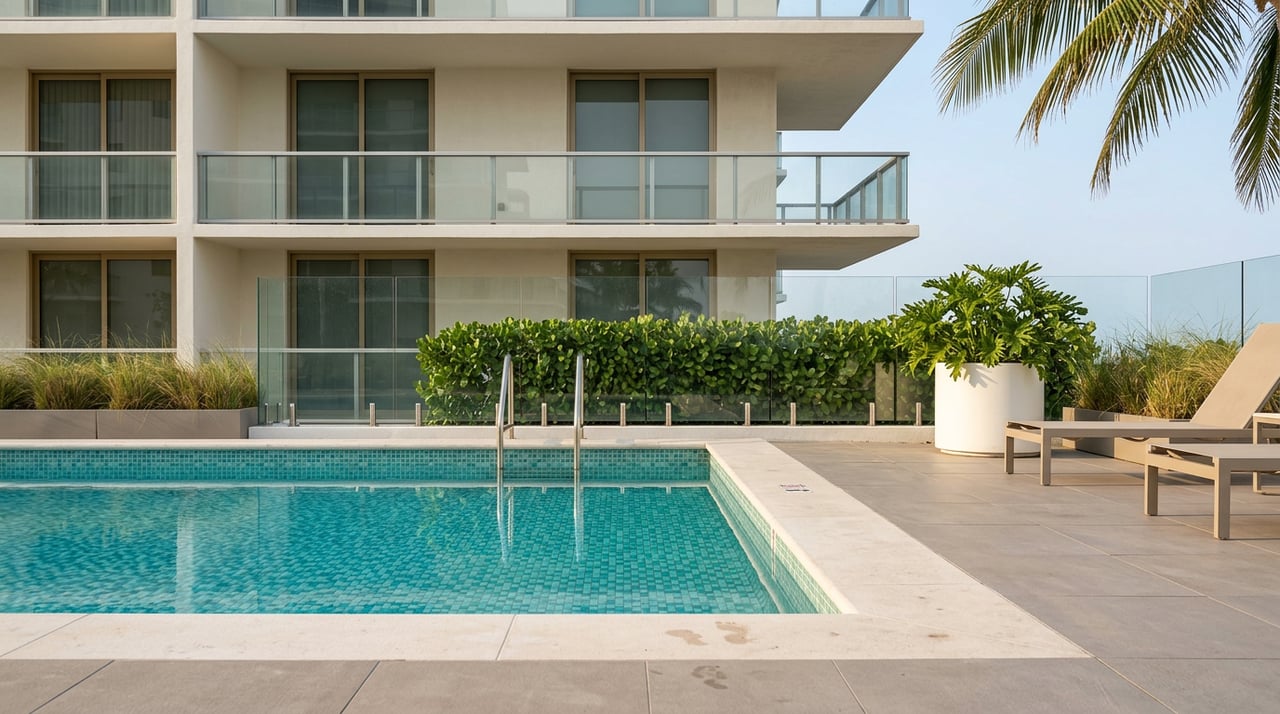
Typical oceanfront features include deeded or private beach access, oceanfront pools, fitness centers, covered parking, secure lobbies and storage. Higher‑end towers add multiple pools, spa areas, private cabanas, valet and on‑site dining. If you plan to rent short term, buildings that function like condotels are a different product type for financing, insurance and association rules, which lenders will evaluate under condo project criteria (condo project eligibility rules).
Noise and exposure checks
Lower floors near A1A or active public beach segments can experience more street and boardwalk noise. Some buyers prefer a slight setback or a stack that trades a portion of direct ocean exposure for quieter day‑to‑day living. Study site plans, stack maps and floor‑by‑floor layouts when available.
Ownership and association must‑knows
Florida condo law and key documents
Florida’s Condominium Act sets disclosure and governance duties for associations. Before you commit, request the declaration and bylaws, the current year budget, the most recent annual financials, the reserve study or structural integrity reserve study when required, and the last 12 to 24 months of meeting minutes. These documents show how the building handles maintenance, reserves and any special assessments (Florida Condominium Act).
Milestone inspections and reserves
State law now mandates milestone inspections for condo and co‑op buildings that are three stories or more, with timing based on age and coastal proximity. Associations must complete Phase 1 visual inspections, and Phase 2 if needed, then share and post reports. Findings can drive near‑term repair projects and special assessments, and they inform the required structural integrity reserve studies (mandatory milestone inspections).
Local recertification cycles
In Broward County, many buildings also follow multi‑decade recertification programs, such as 40‑year recertification, with possible electrical or thermography checks. Ask for any current recertification or milestone reports and whether Phase 2 work or major repairs are already funded or in progress (40‑year recertification in Broward).
Insurance, wind and flood costs
HVHZ product standards
Broward County is in Florida’s High‑Velocity Hurricane Zone, which imposes stricter standards for doors, windows and other components. Older buildings that replace a significant portion of openings may need impact‑rated products with approved notices of acceptance. Confirm the status of windows, doors and shutters and whether they meet current HVHZ approvals (High‑Velocity Hurricane Zone standards).
Flood zones and FEMA maps
Many barrier‑island parcels fall in Special Flood Hazard Areas such as AE and VE zones, where lenders require flood insurance. Pull the property’s FEMA FIRM panel and ask for any elevation certificate on file. This data directly informs flood premiums and can influence your unit choice within the same building (Broward County flood zone maps).
Market volatility and carriers
Florida’s coastal insurance market has been volatile, which affects the availability and pricing of wind and umbrella policies. Citizens, the state’s insurer of last resort, and private carriers adjust pricing and acceptance criteria as market conditions shift. Ask for a current quote early, and add it to your carrying‑cost model (Citizens Property Insurance).
HOA fees and assessments
Recent fee trends
Association fees across South Florida have risen meaningfully as communities address insurance and reserves, with reporting indicating large increases in recent years. Expect wide variance by building, especially between small mid‑century properties and full‑service beachfront towers. Plan for both current dues and the realistic risk of a special assessment tied to inspections or repair projects (reporting on HOA fee increases).
How to budget smart
Build a monthly ceiling that includes HOA dues, estimated unit insurance, lender escrow items if financed and a buffer for assessments. Ask to see the association’s insurance renewals and reserve contributions for the last two years. If you prefer stable outlays, prioritize buildings with higher reserves and clear inspection histories.
Rentals and use policies
City registration rules
If short‑term rentals matter to you, confirm city compliance steps and building rules before you offer. Fort Lauderdale requires vacation‑rental registration, a Certificate of Compliance, inspections and annual renewal for short‑term rental use. Your unit must also meet state and county licensing steps as part of that process (Fort Lauderdale’s vacation‑rental registration).
Association rental limits
Even if the city allows rentals, an association may limit them with minimum stays, caps, or blackout periods. Ask for the written rental policy and any current waitlists for rental approvals. Projects that operate like condotels carry different financing and insurance requirements, so share the documents with your lender early.
Financing and warrantability
Project eligibility basics
Conventional lenders often require that a condominium project meet Fannie Mae or Freddie Mac eligibility standards. Factors that can cause a non‑warrantable designation include ongoing structural litigation, low reserves, high investor occupancy, excessive commercial space or a single owner holding many units. Non‑warrantable buildings usually mean portfolio lenders, stricter terms and larger down payments (condo project eligibility rules).
Post‑Surfside underwriting
Lenders and agencies now review structural inspection results and reserve funding more closely, which especially affects older high‑rises. Have milestone and recertification reports ready for your loan file. A quick lender pre‑check will tell you if a building’s status fits your financing plan.
Your due diligence checklist
Request these items from the seller, listing agent or association:
- Governing documents: declaration and bylaws, the current budget, the most recent annual financials and the latest reserve study or structural integrity reserve study (Florida Condominium Act).
- Meeting minutes: last 12 to 24 months to surface discussions of repairs, insurance, reserves and any special assessments.
- Insurance: master policy certificate, coverage summary and any recent non‑renewal or cancellation notices (Citizens Property Insurance).
- Engineering: milestone Phase 1 and Phase 2 reports, 40‑year recertification or other municipal reports, plus any repair contracts and permits (mandatory milestone inspections, 40‑year recertification in Broward).
- Assessments and litigation: a list of current or planned special assessments, capital projects and any pending legal matters.
- Rentals: association rental policy and evidence of city registration if the unit is used for short‑term rentals (Fort Lauderdale’s vacation‑rental registration).
- Flood and elevation: FEMA FIRM panel, current flood zone and any elevation certificate on file (Broward County flood zone maps).
- Project mix: owner‑occupancy rate, investor share, percentage of commercial space and any single‑entity ownership that could affect loan eligibility (condo project eligibility rules).
Ask your inspector or engineer to verify:
- Roof age and recent replacement history.
- Balcony, pool deck and garage structural conditions, especially for coastal corrosion concerns.
- Seawall and shoreline records if applicable.
Build your buyer brief
Use these prompts to define your must‑haves and deal breakers:
- Usage profile: primary residence, seasonal, long‑term hold, or short‑term rental. Note any minimum acceptable rental policy.
- Views: rank direct ocean, lateral ocean, partial ocean or intracoastal.
- Building age tolerance: set a cutoff unless recent engineering and reserves are documented.
- Financing: conventional financing required, portfolio lender acceptable, or cash only.
- Budget: target monthly HOA ceiling that includes unit insurance and a buffer for assessments.
Which condo fits your profile
Full‑time resident
You may value newer towers with professional management, strong reserves and deeded parking. Expect higher monthly dues, but more predictable maintenance.
Seasonal owner
A building with easy beach access, straightforward guest policies and walkability to dining can work well. Confirm rental rules if you plan to lease when away, and review city registration steps.
Investor or short‑term operator
You need written confirmation that the association allows short‑term rentals and that the unit can complete municipal registration. Condotel‑style projects can be attractive but require lender and insurance checks early.
International buyer
Non‑resident buyers can obtain financing with added documentation. Check title, tax and entity questions with U.S. professionals, and confirm whether the association accepts the ownership structure you prefer.
Next steps
If you are early, start with a lender pre‑check and an insurance pre‑quote using a sample building. If you are ready to tour, bring the checklist above and request association documents before you write an offer. For discreet guidance and a calibrated brief that matches your view, budget and risk profile, connect with Annerley Bianco to request a private consultation.
FAQs
What makes Lauderdale Beach different from other Fort Lauderdale beaches?
- It sits within the Central Beach planning area along A1A, so tower placement, setbacks and access reflect that framework, which shapes views, walkability and privacy.
How do milestone and 40‑year inspections affect me as a buyer?
- They can trigger repair projects and special assessments, so you should review the latest milestone and recertification reports and confirm funding plans before you offer.
Do I need flood insurance for an oceanfront condo in Lauderdale Beach?
- If the building is in an AE or VE Special Flood Hazard Area and you finance the purchase, your lender will likely require flood insurance, so pull the FEMA map and any elevation certificate.
What drives HOA fees higher in beachfront buildings?
- Staffing levels, insurance premiums, reserve contributions and capital projects have all trended up, and beachfront towers with full services often carry higher monthly dues.
Can I do short‑term rentals in an oceanfront condo here?
- Only if both the association allows it and the unit completes the City’s vacation‑rental registration and compliance steps, which include licensing, inspections and annual renewal.