If you picture beach living as something you save for weekends, Lauderdale Beach may change your mind. This part of Fort Lauderdale puts the shoreline, outdoor routines, and everyday conveniences close enough to become part of your normal day, not just a special outing. If you are weighing whether it feels too touristy, too busy, or practical for full-time living, this guide will help you understand how the area actually functions block by block. Let’s dive in.
Lauderdale Beach at a glance
Lauderdale Beach is a compact oceanfront neighborhood on Fort Lauderdale’s barrier island. According to the Lauderdale Beach Homeowners Association, it is bounded by Oakland Park Boulevard to the north, A1A to the west, NE 23rd Street to the south, and the beach to the east.
That small footprint matters because it shapes the entire living experience. Instead of feeling like a large, spread-out suburban area, Lauderdale Beach feels close to the water, easy to navigate, and distinctly beach-first.
The setting feels beach-first
One of the first things you notice about Lauderdale Beach is how quickly the feel can change from one block to the next. City planning materials describe the beachside corridors as a mix of residential buildings, hotels, restaurants, retail, bars, and cafes, while quieter interior streets are more residential in character with low- to medium-density homes and multifamily properties.
In practical terms, that means you can be on a calmer residential street and then reach a more active, visitor-oriented stretch within minutes. For many buyers, that blend is part of the appeal because you get both neighborhood structure and access to the energy of the beachfront corridor.
Residential and resort-like at once
A common question is whether Lauderdale Beach feels like a neighborhood or more like a resort district. The most accurate answer is that it feels like both.
The homeowner association supports a more resident-minded atmosphere through community development efforts, entrance median maintenance, and security patrols covering streets, parks, beaches, and parking lots. The association also notes support from an on-site police substation, beach-access ATV, and a 24/7 marked police car, which points to an area with active local oversight rather than a purely transient beach zone.
At the same time, the broader beachfront corridor is active. Fort Lauderdale’s beach area includes hotels, restaurants, shops, wellness options, and organized programming, so you should expect a setting that is more outward-facing than a quiet inland neighborhood.
Walkability is a real advantage
If you want a place where daily life can happen on foot, Lauderdale Beach stands out. The beach core is arranged along a narrow corridor, and many of the area’s outdoor spaces, dining options, and beachfront amenities are close together.
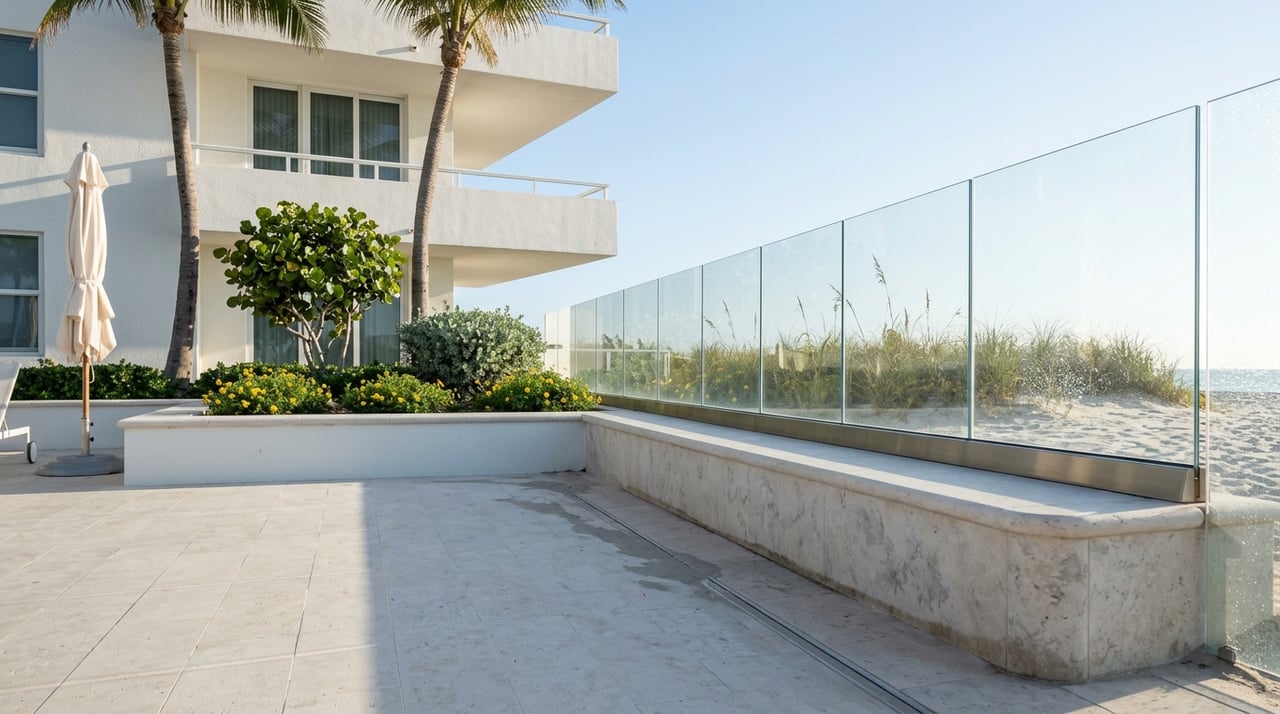
Visit Lauderdale highlights the promenade and wave wall as a central part of the beach experience. That setup makes it easy to walk for coffee, head out for an evening stroll, or fit in a morning jog without needing to plan your day around driving.
For buyers who value convenience, this is one of the area’s strongest lifestyle points. You are not just near the beach. In many cases, the beach becomes part of your normal routine.
Outdoor living shapes the rhythm
Lauderdale Beach is set up for regular use of the shoreline, not occasional visits. The City of Fort Lauderdale says the public beach spans three miles and is staffed by 20 permanent lifeguard towers every day of the year.
That level of infrastructure supports a lifestyle built around repeat use. Whether you like walking, biking, sitting by the water, or fitting in short beach visits between other commitments, the area is designed to make that easier.
Beach parks add convenience
Several nearby public spaces make beach days more practical. Fort Lauderdale Beach Park offers restrooms, showers, picnic tables, grills, a playground, and volleyball.
Las Olas Oceanside Park adds a splash pad, walking path, bike racks, benches, restrooms, and waterfront access. These details may sound small, but they make a difference when you are thinking about everyday use rather than vacation-style visits.
Nature is close by too
Lauderdale Beach is not only about the sand and hotel corridor. Hugh Taylor Birch State Park sits nearby between the Atlantic and the Intracoastal Waterway and is open year-round, with a two-mile loop road, trails, kayaking, canoeing, and beach access via crosswalk on A1A.
Bonnet House adds another quieter layer to the area, with 35 acres of tropical landscape and multiple ecosystems. Together, these spaces give the neighborhood a welcome counterbalance if you want access to nature and a slower pace without going far.
The social side is active
If you enjoy having things to do close to home, Lauderdale Beach offers more activity than many oceanfront neighborhoods. Visit Lauderdale describes Fort Lauderdale Beach as a place with restaurants, shops, hotels, beach volleyball, parasailing, snorkeling, yoga on the beach, and Friday Night Sound Waves.
That means the area can carry a social rhythm beyond the typical home-to-beach routine. Depending on your preferences, that can feel energizing, especially if you like having dining, wellness, and public events within a short walk or drive.
Dining and wellness are nearby
The beachfront corridor includes a range of hospitality-driven uses, including restaurants and wellness offerings. Examples cited by Visit Lauderdale include Lona Cocina Tequileria, Heavenly Spa by Westin, and Beach House Fort Lauderdale with a spa and 24-hour fitness center.
Even if you are not looking for a resort atmosphere every day, access to these types of amenities can make the area feel more convenient and more flexible for entertaining or hosting guests.
Las Olas expands your options
Another advantage of Lauderdale Beach is that you are not limited to the beachfront strip. Visit Lauderdale notes that Fort Lauderdale Beach is just over a mile from Las Olas Boulevard, and the city describes Las Olas as a center for dining, shopping, and entertainment.
For you, that means a beach address does not have to come at the expense of urban convenience. You can spend the day by the ocean and still reach a broader set of restaurants and nightlife options without a long trip across town.
Full-time living vs seasonal use
Lauderdale Beach can work for either full-time or seasonal living, but the fit depends on your preferences. Fort Lauderdale’s city profile highlights more than 3,000 hours of sunshine each year and year-round ocean breezes, which helps explain why the area appeals to people looking for a consistent coastal lifestyle.
There are also practical considerations. NOAA states that Atlantic hurricane season runs from June 1 through November 30, and ocean conditions can change quickly, which is why Fort Lauderdale Ocean Rescue advises swimming in lifeguard-supervised areas.
What daily life may feel like
For many residents, full-time living here likely feels active, outdoors-oriented, and closely tied to weather conditions. You may spend more time walking, biking, or using beachfront public spaces than you would in a more inland neighborhood.
For seasonal owners, the area also has clear appeal because Fort Lauderdale Beach is about 10 minutes from Fort Lauderdale-Hollywood International Airport, according to Visit Lauderdale. That makes arrival and departure relatively easy for people splitting time between homes.
Parking and visitor activity matter
The city offers a residential beach parking permit, which can help with access. Still, this is an area where visitors, events, and beach traffic are part of the environment.
That does not make Lauderdale Beach impractical. It simply means the lifestyle is often a better match if you want frequent beach use and easy entertaining, rather than a setting that feels private and inward-looking at all times.
Who Lauderdale Beach tends to suit
Lauderdale Beach often makes the most sense for buyers who want coastal access woven into daily life. If you value walkability in the beach core, nearby parks, outdoor routines, and an easy connection to dining and entertainment, the area checks many of those boxes.
It may be less ideal if your top priority is a purely residential street scene with minimal visitor activity. The area’s appeal comes from its mix of residential structure and resort-like energy, not from being completely removed from it.
Final thoughts on living here
Living in Lauderdale Beach is less about owning a home near the coast and more about choosing a routine shaped by the coast. The neighborhood offers a compact oceanfront setting, resident-focused community infrastructure, easy beach access, nearby parks, and quick connections to dining and social activity.
For the right buyer, that combination feels convenient, active, and distinctly Fort Lauderdale. If you want help evaluating whether Lauderdale Beach fits your goals, Annerley Bianco offers a private consultation with a thoughtful, tailored approach.
FAQs
Is Lauderdale Beach in Fort Lauderdale walkable for daily life?
- Yes. In the beach core, the promenade, parks, and beachfront dining are concentrated along a narrow corridor, which makes many everyday activities possible on foot.
Does Lauderdale Beach in Fort Lauderdale feel more residential or resort-like?
- It has both qualities. Interior streets can feel more residential, while the beachside corridor includes hotels, restaurants, retail, and visitor activity.
Is Lauderdale Beach in Fort Lauderdale practical for full-time living?
- It can be, especially if you enjoy active coastal living. Beach access, nearby amenities, and airport convenience help, while weather awareness, storm season, and visitor traffic are important factors to consider.
What outdoor amenities are near Lauderdale Beach in Fort Lauderdale?
- Nearby amenities include the public beach with staffed lifeguard towers, Fort Lauderdale Beach Park, Las Olas Oceanside Park, Hugh Taylor Birch State Park, and Bonnet House.
What should you know about ocean conditions near Lauderdale Beach in Fort Lauderdale?
- Ocean conditions can change quickly, and Fort Lauderdale Ocean Rescue advises swimmers to stay in lifeguard-supervised areas.