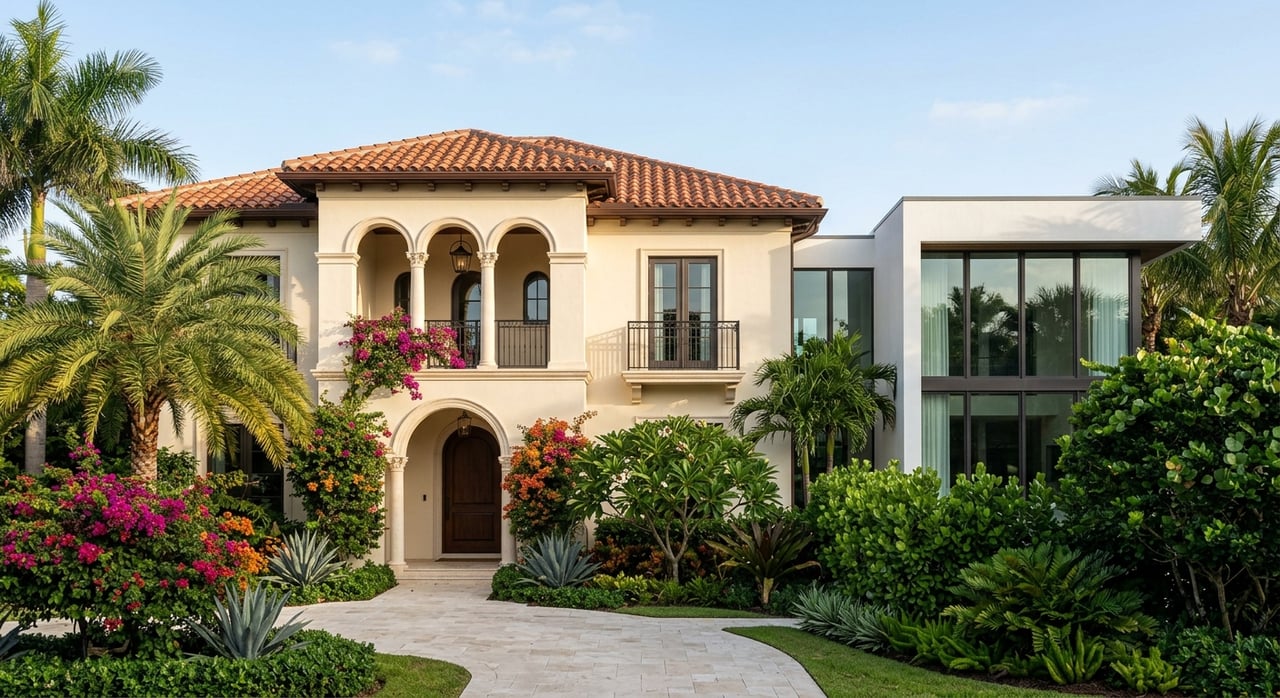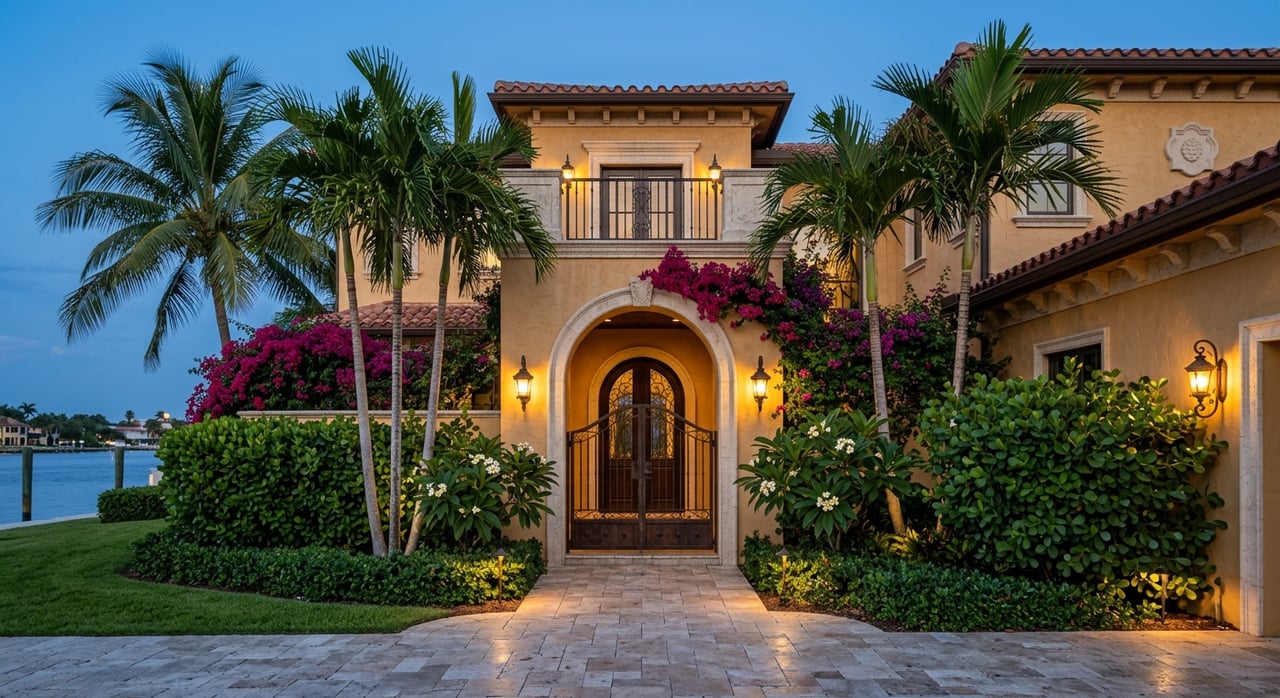
If your boat comes before almost everything else in your home search, Harbor Inlet asks a different set of questions than most Fort Lauderdale neighborhoods. You are not just choosing a house near the water. You are choosing a launch point, a route, and a daily boating experience that can change from one parcel to the next. This guide will help you think through dock fit, bridge clearance, route planning, and lot exposure so you can buy with your boating priorities front and center. Let’s dive in.
Why Harbor Inlet Stands Out
Harbor Inlet, commonly styled locally as Harbour Inlet or Harbour Isles, sits at the southeast edge of Fort Lauderdale where the beach side and inlet side meet. Local neighborhood associations describe it as a barrier-island community surrounded by water, with the Barbara, Grace, Marion, and Marietta Rivers shaping the area. The neighborhood includes 252 single-family homes, which gives it a more residential, parcel-driven feel than a marina district.
For a boating-focused buyer, that geography matters more than almost anything else. This is not one uniform waterfront product. One home may feel close to open water and visually active, while another may offer a more protected setting along an interior river or canal edge.
Buy for the Water, Not Just the Address
When boating is your first priority, the address alone is not enough. In Harbor Inlet, the better question is what kind of water your lot actually faces and how that affects your day on the boat. A home that looks ideal on paper may deliver a very different experience depending on its orientation and route.
A practical way to evaluate homes here is to sort them into three boating experiences:
- Inlet-adjacent or ocean-exposed lots that may offer a stronger maritime feel and a shorter practical run toward open water
- Interior riverfront lots that may feel more sheltered
- Scenic waterfront homes where the view is the main feature, but dock use may need closer verification
This is why serious buyers in Harbor Inlet often make decisions based on exposure, protection, and route efficiency rather than square footage alone.
Ocean Access Is the Main Draw
The clearest appeal of Harbor Inlet is its proximity to Port Everglades Inlet and the Atlantic. Compared with more inland Fort Lauderdale waterfront areas, this neighborhood reads as the more ocean-first choice. It tends to suit buyers who want a home that works as a real boating base, not simply a waterfront backdrop.
NOAA describes Port Everglades as a deepwater port and major cruise port with a federal entrance channel between unmarked jetties. That means your access to open water is close and meaningful, but it also means you are operating in a real maritime environment with active vessel movement.
For many buyers, that tradeoff is worth it. You may gain a shorter run to open water, but you also need to be comfortable with inlet traffic, stronger currents, and a more dynamic route than a typical canal exit.
Bridge Planning Still Matters
One of the most important details in any boating home purchase is the route from dock to open water. In Harbor Inlet, bridge planning is part of that conversation.
The City of Fort Lauderdale states that the South Ocean Drive Bridge spans the Marion River and connects Harbour Isles, Breakwater Surf Homes, Harbour Inlet, and Harbour Beach. The city also says the replacement project was completed in August 2025 and that the new bridge was raised 1.80 feet to provide additional maritime clearance.
That improvement matters because it makes the internal neighborhood crossing less restrictive than before. Still, less restrictive does not mean irrelevant. You should confirm the exact route from a specific property and compare it with your boat’s actual height and operating needs.
Another important bridge reference in the broader boating context is the SE 17th Street, or Brooks Memorial, Bridge. A Coast Guard final rule dated January 20, 2026 states that this bascule bridge over the Atlantic Intracoastal Waterway has 55 feet of vertical clearance at mean high water when closed. It also opens only on the hour during weekday rush periods from 6:50 a.m. to 9:10 a.m. and 3:50 p.m. to 6:10 p.m., while opening on the hour and half-hour at other times.
Even if that bridge is not part of your daily route from every property, it is part of the larger Fort Lauderdale boating framework. Timing, clearance, and route discipline all matter when you are buying a home around boating.
Inlet Conditions Are Part of the Lifestyle
Close access to open water sounds simple until you factor in real conditions. NOAA notes that the A1A bridge crossing the inlet has a bascule span with 13 feet of clearance when closed. The same source also notes strong currents and heavy small-craft traffic in the entrance.
That does not make Harbor Inlet less desirable for boaters. It simply means your home search should reflect the reality of the waterway. If your goal is effortless ocean access, you should evaluate not only distance but also how comfortable you are navigating an active inlet environment.
Dock Setup Should Match Your Boat Today
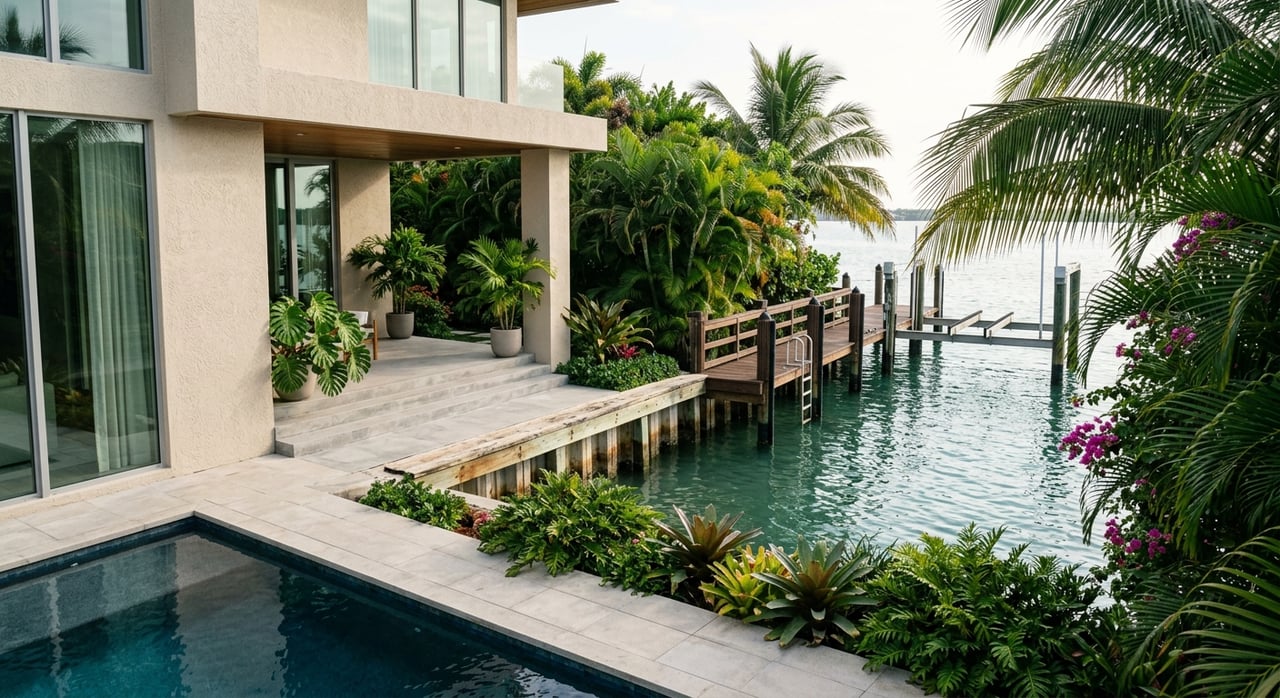
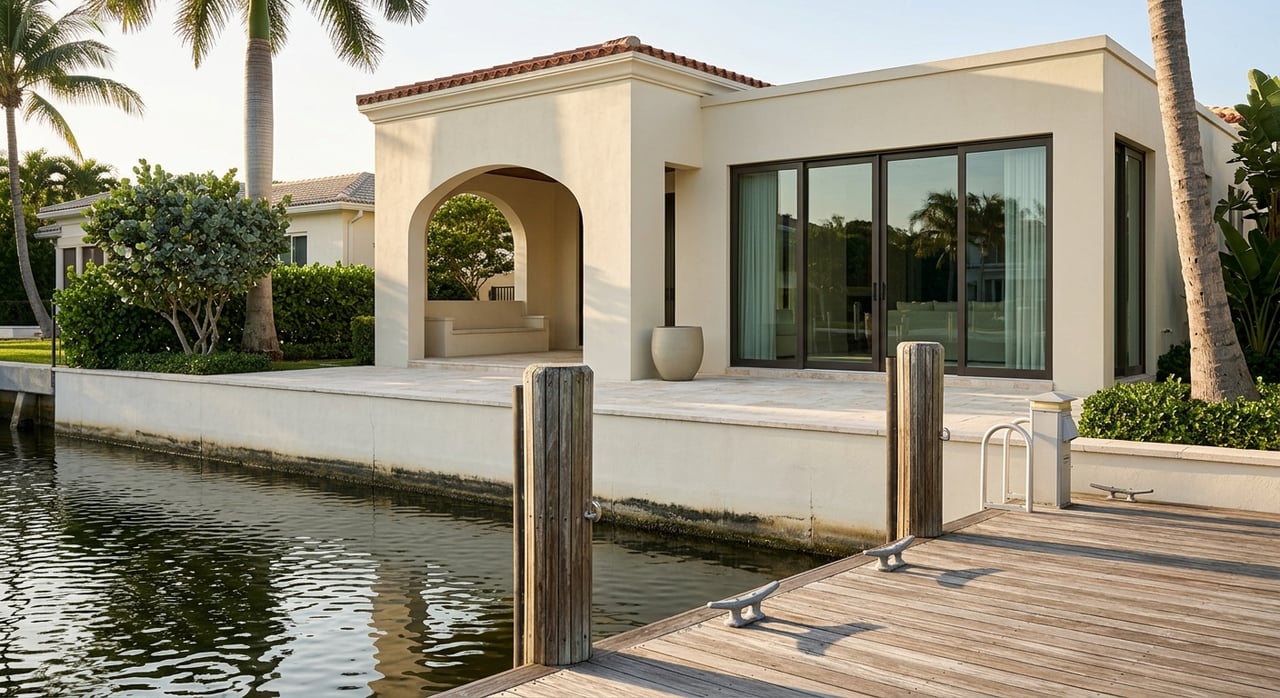
Harbor Inlet is best understood as a private-dock neighborhood. Local association descriptions point to a residential area made up mostly of single-family homes rather than a shared-slip marina setting. In market examples, some homes are marketed with private docks, boat lifts, and substantial deep-water frontage, but those features vary by property.
That is why one of the first questions you should ask is not simply whether the home is waterfront. It is whether the property is truly dock-capable for your boating needs.
As you compare homes, focus on practical dock questions such as:
- Is there an existing private dock?
- Does the setup appear suited to a lift, side-tie use, or straight-in docking?
- Does the lot width support the way you board and secure your boat?
- Is the dock built around the boat you own now, not just the one you may buy later?
In a neighborhood like Harbor Inlet, the dock is not a side feature. It is often the deciding feature.
Exposure Changes the Experience
Because Harbor Inlet sits on a barrier island and wraps around inlet- and river-adjacent water, the feel of one waterfront lot can differ sharply from another. This is a key point for buyers who may be comparing several homes in a short period.
Ocean- or inlet-facing lots are likely to feel more exposed to breeze, spray, wake, and visual activity. Interior riverfront lots are more likely to feel sheltered. That is an inference from the neighborhood geography rather than a formal rule, but it is a useful lens when you are deciding what kind of boating base fits your routine.
If you entertain aboard, launch often, or prioritize fast access, a more exposed setting may appeal to you. If you value a calmer docking environment or a quieter waterfront feel, a more protected lot may be the better match.
Harbor Inlet vs Other Fort Lauderdale Waterfront Areas
The simplest way to compare Harbor Inlet with other boating neighborhoods in Fort Lauderdale is to think in terms of tradeoffs. Harbor Inlet is the more ocean-first proposition. More inland waterfront neighborhoods often offer a broader mix of canal and river settings that may feel more sheltered.
That distinction matters because buyers do not all want the same boating experience. Some want the shortest practical run to open water. Others are willing to accept a longer route if it means a calmer dock environment or a different style of waterfront setting.
For an out-of-area buyer, Harbor Inlet can be framed as a neighborhood with direct maritime identity, quick access advantages, and more day-to-day awareness of bridge schedules, currents, and traffic. For a local buyer upgrading within Fort Lauderdale, the comparison is often more specific: does the new property deliver a better dock, a better route, or a better fit for a larger boat?
A Smart Buying Checklist for Boaters
Before you move forward on a Harbor Inlet property, keep your review focused on boating function. A clear checklist can help you avoid buying a beautiful waterfront home that does not work well on the water.
Key Questions to Ask
- Is the home actually dock-capable, or mainly scenic waterfront?
- How bridge-dependent is the route to open water?
- What are the relevant clearances along that route?
- Is the lot more protected or more exposed?
- Does the dock fit your current boat’s beam, height, and boarding needs?
- How comfortable are you with inlet currents and active vessel traffic?
What to Verify Property by Property
- The exact water frontage and dock configuration
- The practical route from the property to open water
- Any bridges that affect clearance or timing
- Whether the lot supports your preferred docking style
- Whether the boating experience matches how you actually use your vessel
The Right Home Is the Right Launch Point
In Harbor Inlet, buying well means looking beyond the view and focusing on how the property performs as a boating home. The neighborhood offers something hard to replicate in Fort Lauderdale: a barrier-island setting with direct maritime identity and close access to open water. But that advantage only pays off when the lot, dock, route, and exposure all line up with the way you boat.
If you want a measured, property-specific evaluation before you make your move, Annerley Bianco can help you assess Harbor Inlet through the lens that matters most: how well the home works once you leave the dock.
FAQs
What makes Harbor Inlet different for boating buyers in Fort Lauderdale?
- Harbor Inlet stands out because it is a barrier-island neighborhood beside Port Everglades Inlet and the beach, which gives many properties a more ocean-first boating profile than more inland waterfront areas.
What should you check first when buying a boating home in Harbor Inlet?
- You should first confirm whether the property is truly dock-capable for your boat, then verify the route to open water, relevant bridge clearances, and how exposed or protected the lot feels.
What does the South Ocean Drive Bridge mean for Harbor Inlet boaters?
- The City of Fort Lauderdale says the replacement bridge was completed in August 2025 and raised 1.80 feet, which improves maritime clearance, but buyers should still check the route and fit for each property.
What boating conditions matter near Port Everglades Inlet?
- NOAA notes that the inlet area includes strong currents and heavy small-craft traffic, so buyers should weigh not just proximity to open water but also comfort with a more active boating environment.
Are all waterfront homes in Harbor Inlet set up the same way?
- No. The neighborhood is better understood as a parcel-level private-dock area, so dock layout, frontage, exposure, and boating practicality can vary significantly from one property to another.
Is Harbor Inlet a good fit if you want the shortest run to the ocean?
- For many buyers, yes. Its location near Port Everglades Inlet makes it one of Fort Lauderdale’s more direct options for open-water access, though that benefit comes with real route and condition considerations.